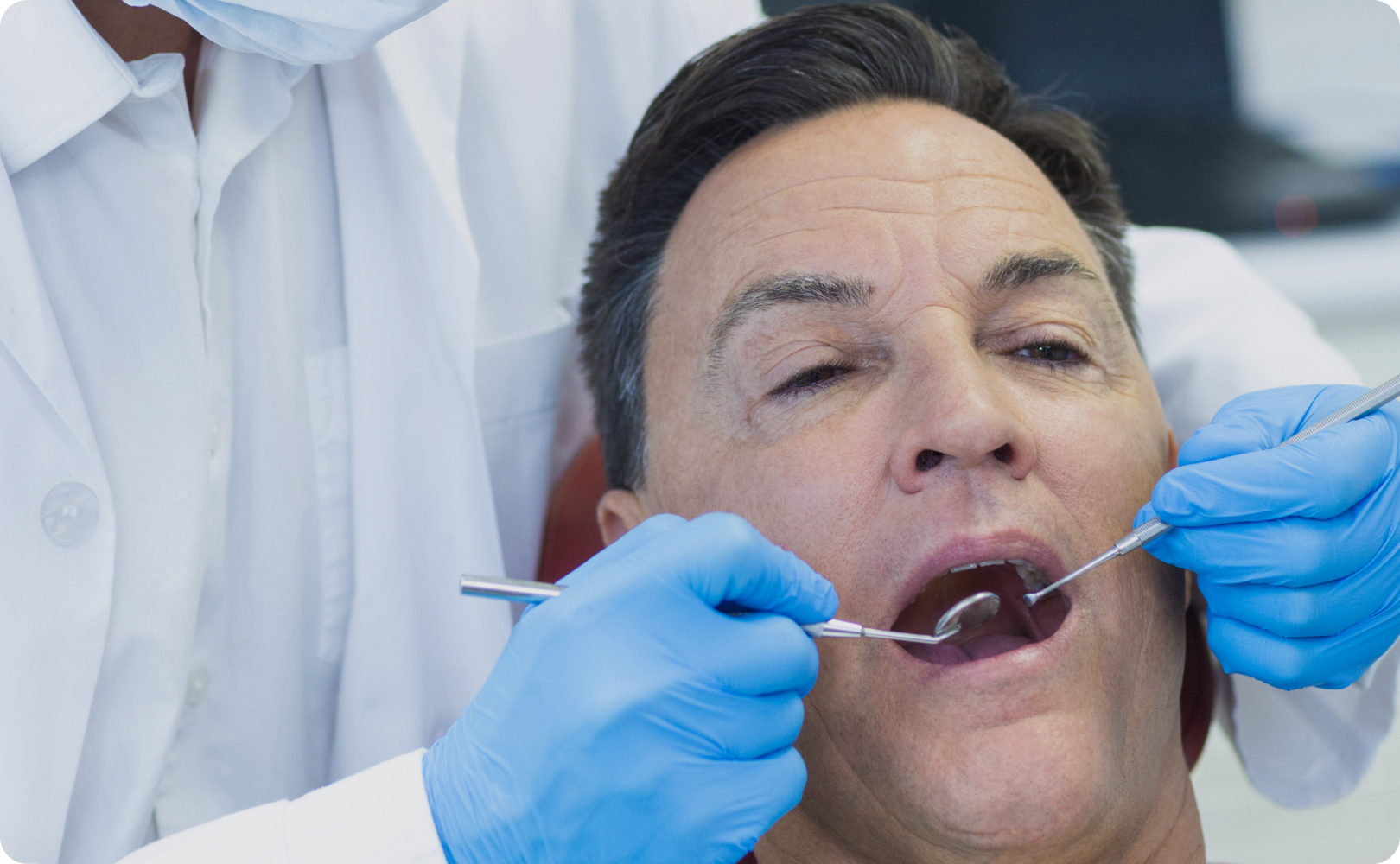

Dental implants are a widely utilized, permanent solution for replacing missing teeth. Unlike traditional removable dentures or bridges that rely on adjacent teeth, a dental implant acts as an artificial tooth root anchored securely into the jawbone.
Key Clinical Takeaways
Dental implants provide durable tooth replacement, but thorough pre-surgical evaluation and dedicated daily oral hygiene are critical to ensuring lasting osseointegration and gum health.
Understanding the Structure of a Dental Implant
A complete dental implant restoration consists of three primary components: the titanium or zirconia implant post (which integrates with the jawbone through osseointegration), the abutment connector, and the custom prosthetic crown. This structural design mimics natural tooth anatomy, providing stability for biting and chewing.
Who Is a Candidate for Dental Implants?
Dental implant suitability depends on several factors, including adequate bone volume and density, healthy gum tissue, and good general health. Patients with controlled diabetes, smoking habits, or reduced bone density require detailed assessment; procedures such as bone grafting or sinus lifts may be considered when bone support is insufficient.
The Clinical Evaluation & 3D Diagnostic Process
Before implant surgery, comprehensive digital imaging—including 3D CBCT (Cone Beam Computed Tomography)—is essential. This allows the dental surgeon to assess anatomical structures such as nerves, blood vessels, and sinus cavities, ensuring millimeter-precise placement.
Caring for Your Implants & Preventing Peri-Implantitis
While implants cannot develop dental cavities, the surrounding gum and bone remain susceptible to bacterial infection known as peri-implantitis. Daily interdental cleaning, soft-bristle brushing with low-abrasive toothpaste, and regular professional maintenance appointments are vital for long-term implant success.
Have Questions About Your Dental Health?
Consult with our specialist dentists at Redesign Dental Clinics in Banjara Hills, Hyderabad.
Fact-Checked Sources & References
- American Dental Association (ADA): "Dental Implants: Overview & Research" — View Reference
- National Institute of Dental and Craniofacial Research (NIDCR): "Tooth Loss and Replacement Options" — View Reference
This article is for general educational purposes only and is not a substitute for an individual dental examination or professional medical advice. Treatment recommendations may vary based on your oral health and clinical needs.