Dental emergencies can happen unexpectedly. Knowing when a symptom requires immediate professional dental attention helps relieve severe pain, preserve teeth, and prevent complications.
Key Clinical Takeaways
Prompt action and immediate contact with your dental clinic during dental trauma or acute swelling significantly improve the chance of saving the affected tooth.
Severe Symptoms Requiring Immediate Evaluation
Urgent dental conditions include severe unremitting throbbing toothache, rapid facial or submandibular swelling, uncontrollable oral bleeding, and dental trauma resulting from an accident or sports injury.
First-Aid Steps for a Knocked-Out (Avulsed) Tooth
If a permanent tooth is completely knocked out, handle it only by the crown (never touch the root). Rinse gently with milk or saline if dirty, and try reinserting it into the socket. If not possible, place the tooth in cold milk and seek immediate dental care within 30 to 60 minutes for the highest re-implantation success.
Dental Issues That Can Wait for Regular Clinic Hours
Mild dull sensitivity to cold, minor chipped enamel without pain, or a lost cosmetic filling without acute swelling can typically be scheduled during regular clinic hours.
What to Expect During an Emergency Visit
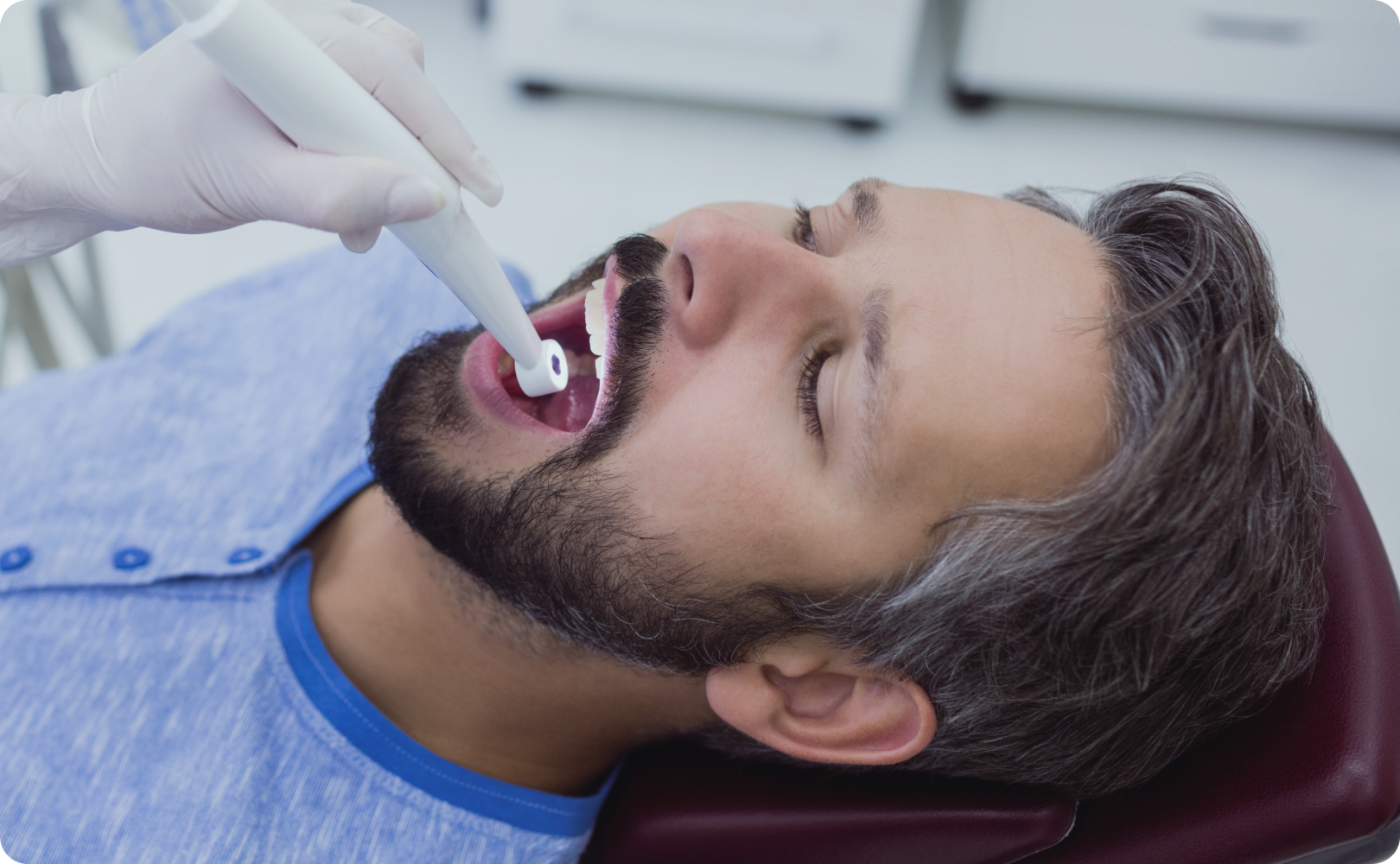
The dental team performs targeted diagnostic testing and digital X-rays to pinpoint the cause, delivers fast-acting pain relief or localized anesthesia, and stabilizes the tooth or infection.
Have Questions About Your Dental Health?
Consult with our specialist dentists at Redesign Dental Clinics in Banjara Hills, Hyderabad.
Fact-Checked Sources & References
- American Dental Association (ADA): "Dental Emergencies Guide" — View Reference
- American Association of Endodontists (AAE): "Traumatic Dental Injuries" — View Reference
This article is for general educational purposes only and is not a substitute for an individual dental examination or professional medical advice. Treatment recommendations may vary based on your oral health and clinical needs.